07/09/2023
We stayed the previous night in another temporary city camping at the Expo centre. There was an event on, so the car park was pretty rammed. We managed to slot between two motorhomes … too close to be comfortable. I apologised in my best school girl German, to one neighbour and moved to a corner once the car park cleared. The office was only open in the morning, but fortunately, another German (yes, 8 German vans, 1 other UK and 1 Estonian) told me where to find everything. Just as well as showers were turn right … back of one expo hall, right again into next! It wasn’t as quiet as the Vilnius City Camping … boy racers doing wheelies, screeching tyres disturbed my sleep. At least it was only a short bike ride into the historic centre.
We joined a free (give a healthy tip at the end) walking tour. Another well-educated and well-informed guide. He did an intro on the history and influences of Latvia to start. Occupied mostly by Germany and tzarist Russia and briefly by Sweden and Poland. He also explained that the Latvian language was only created in the 1860s. Latvians had been serfs up till 1860, so they didn’t attend schools and spoke numerous dialects. The language is an amalgamation of these; phonetic, simple rules. It was adopted as it was taught at schools, which then became mandatory. However, 40% of the population speak Russian as their first language with Russian speaking schools teaching Latvian as the second language. A legacy from the Tzarist occupation when Russians were shipped in to work in growing industries.
Unlike Lithuania, which is strongly Catholic due to a long Polish occupation / affiliation, Latvia is not particularly religious … late to the Christian faith, originally Catholic, then the Russian influence of Orthodox, and under Soviet rule, religion was repressed. So churches have swapped faith and been redeployed as theatres, markets etc. Only returning as functioning churches after independence in 1991.
The only other time Latvia has been independent was 1920 until 1940. Even that didn’t go smoothly as a dictator took over in 1934. From 1940, it was occupied by the Germans and then the Soviets from 1944/5. So J and had a discussion about whether Latvia should even be an independent country. What contributes to national identity etc? At least when Russia invades, they are mostly bilingual!
After the walking tour, we used gps.mycity app to visit some other sights.

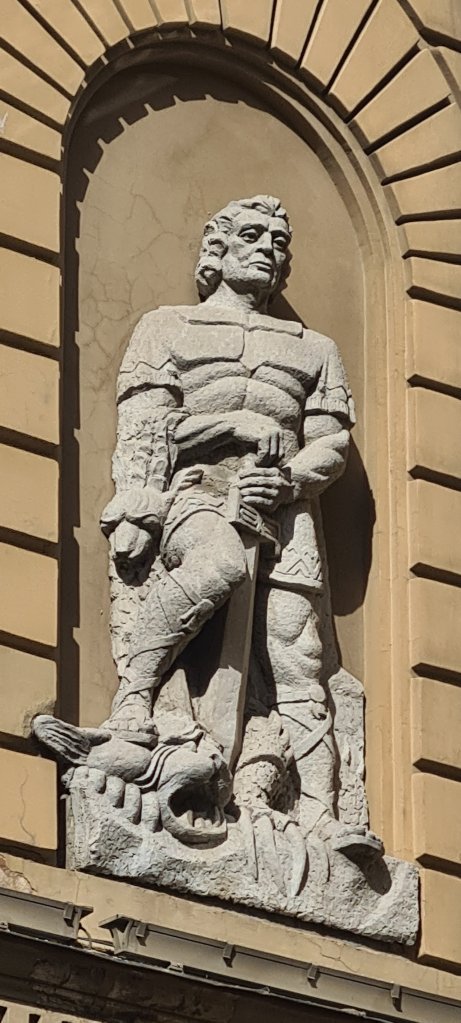
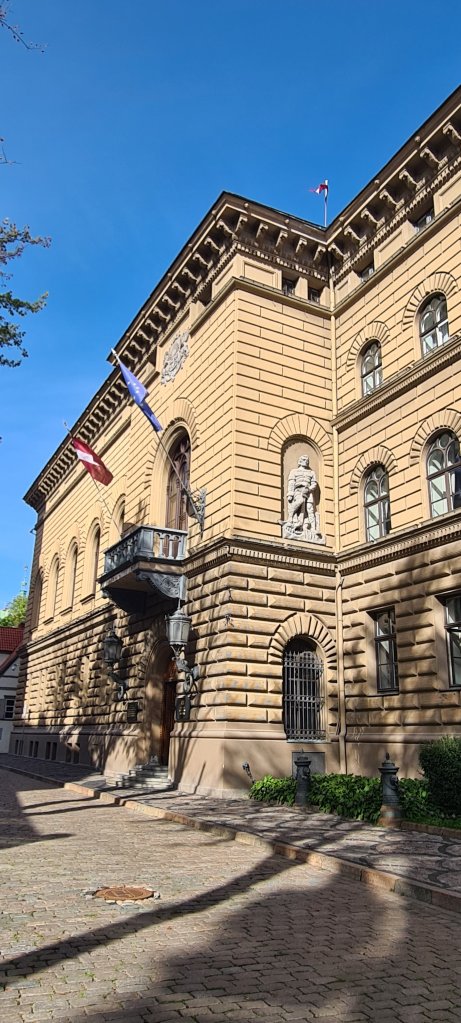
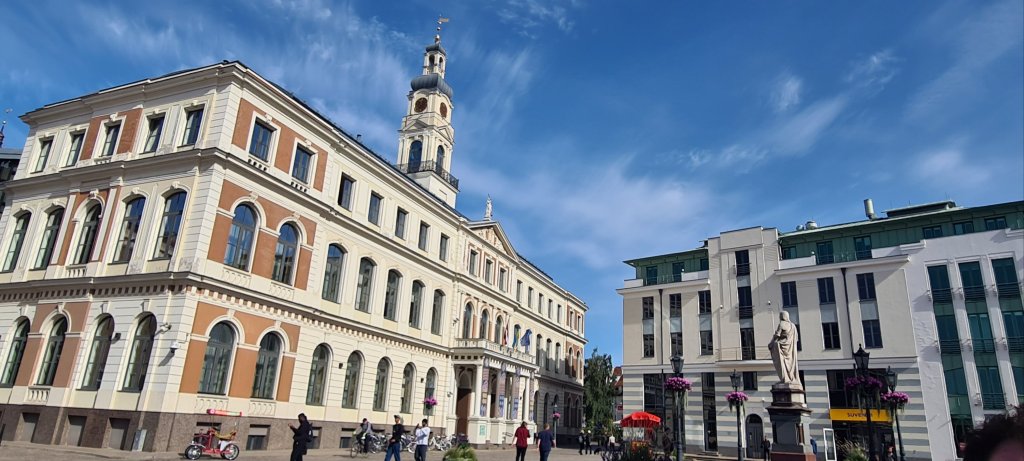
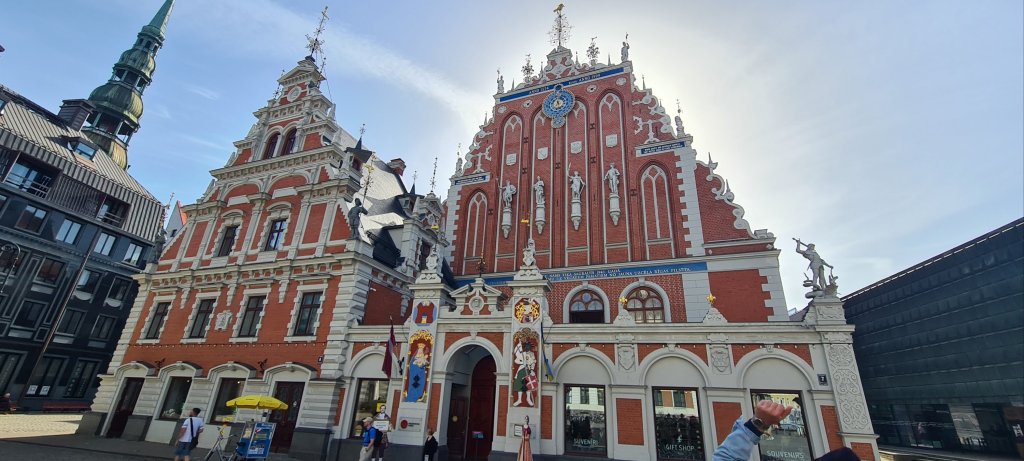
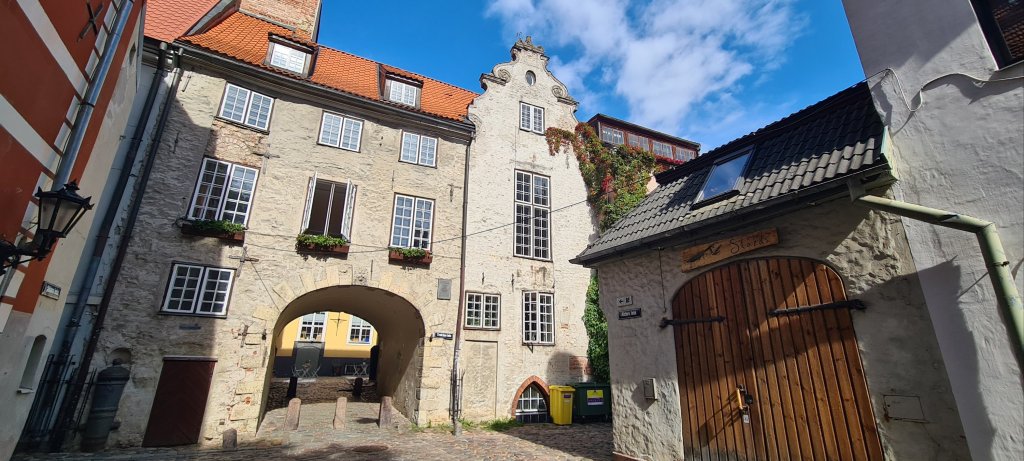

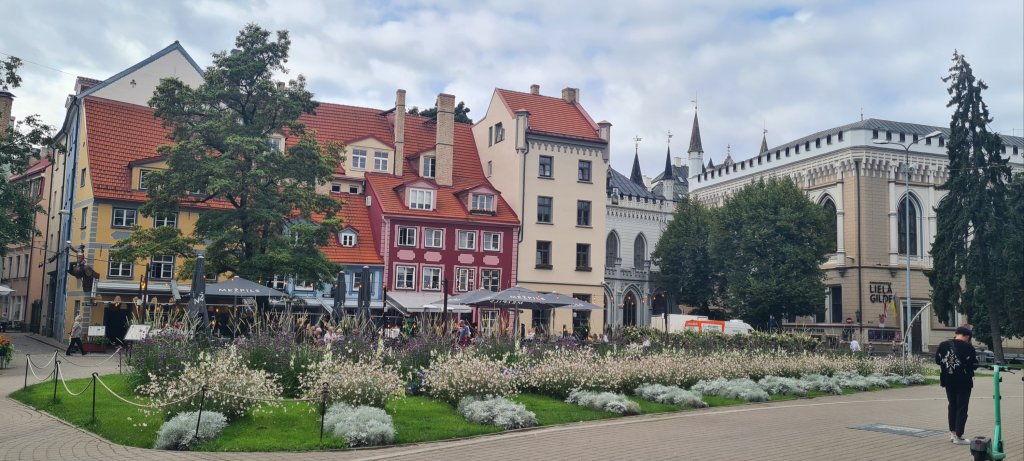
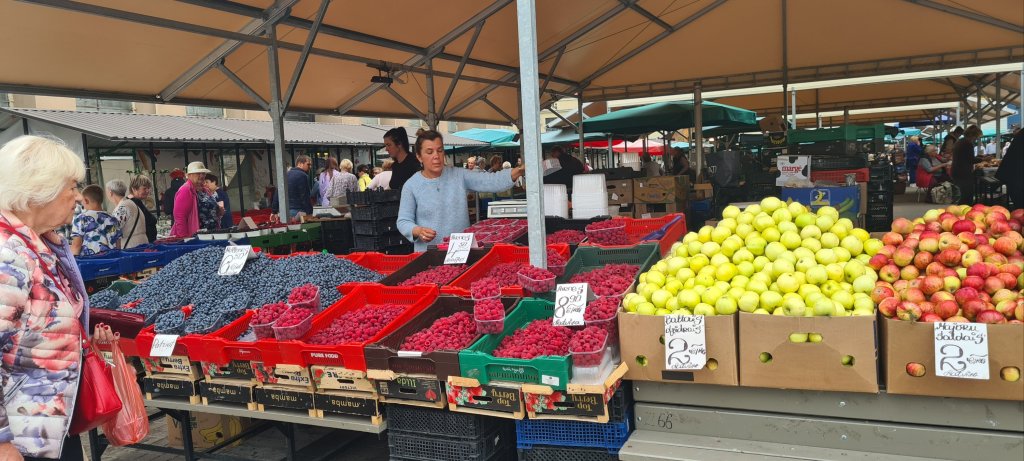

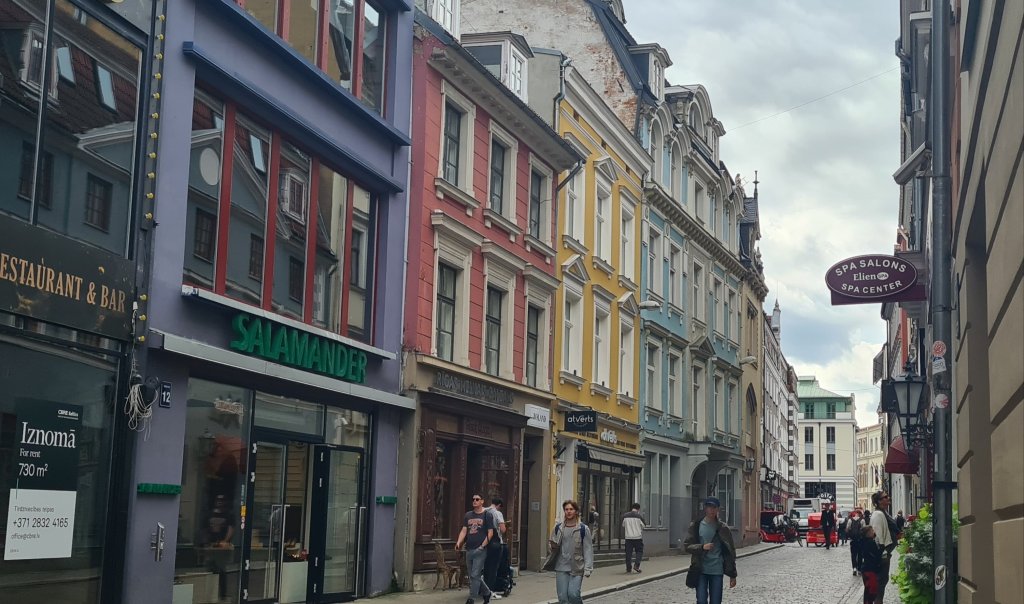

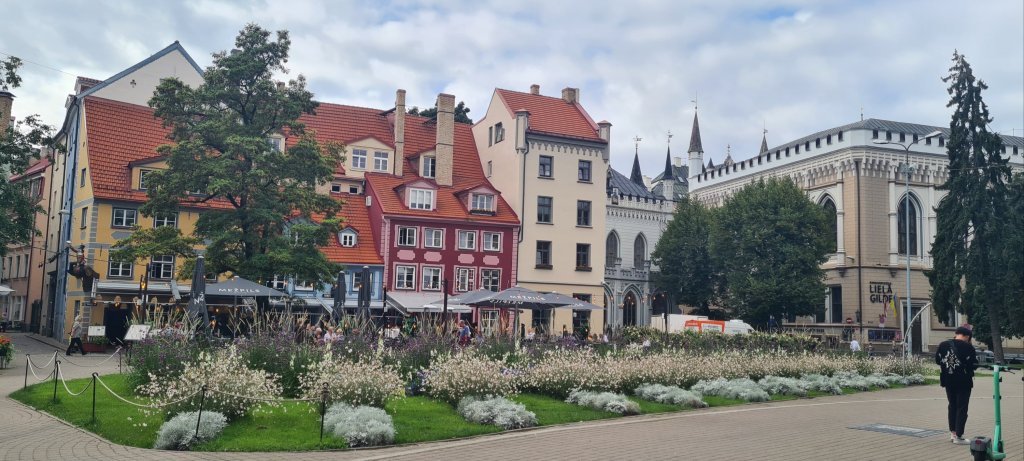
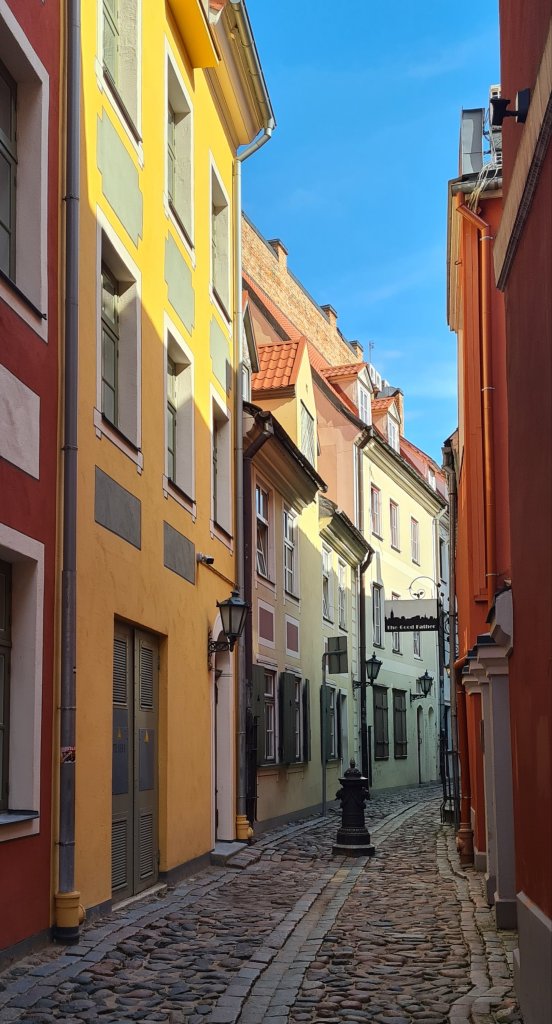
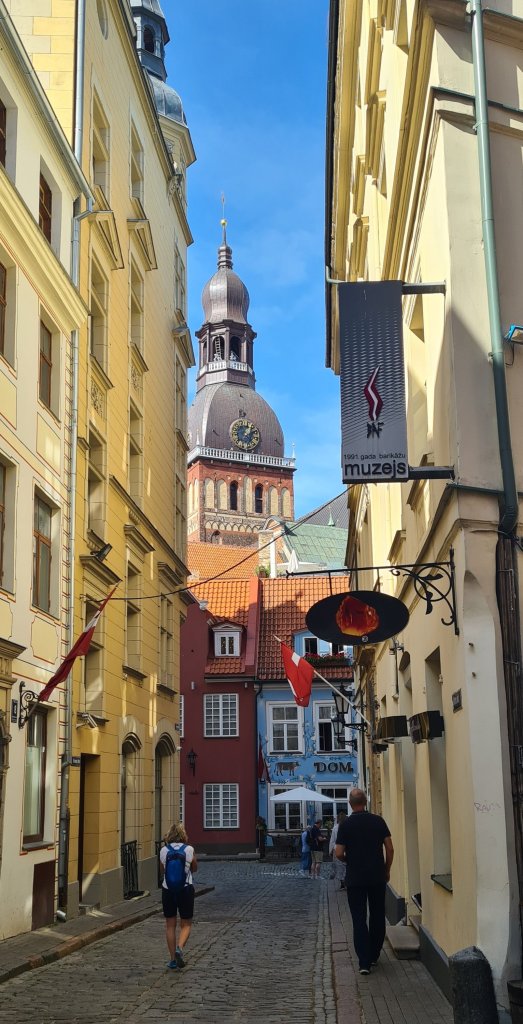
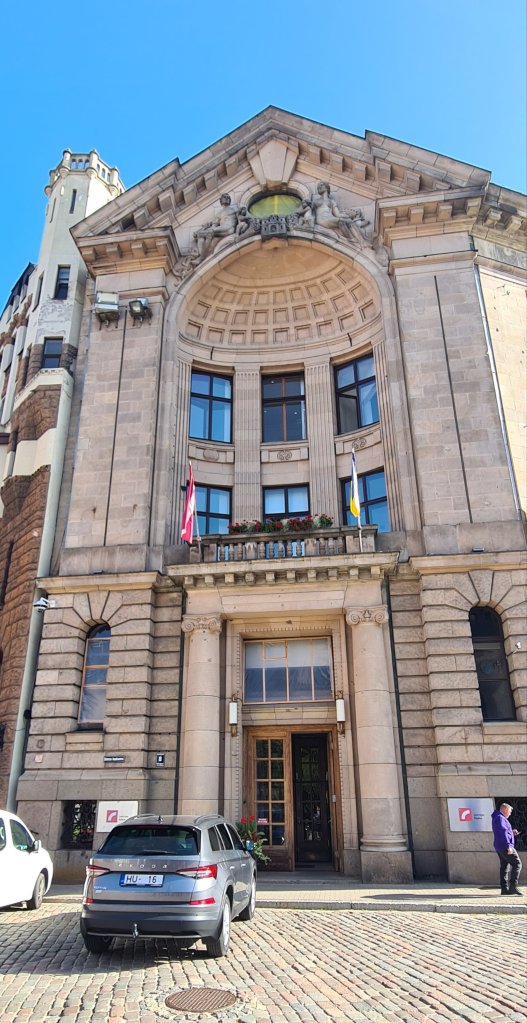
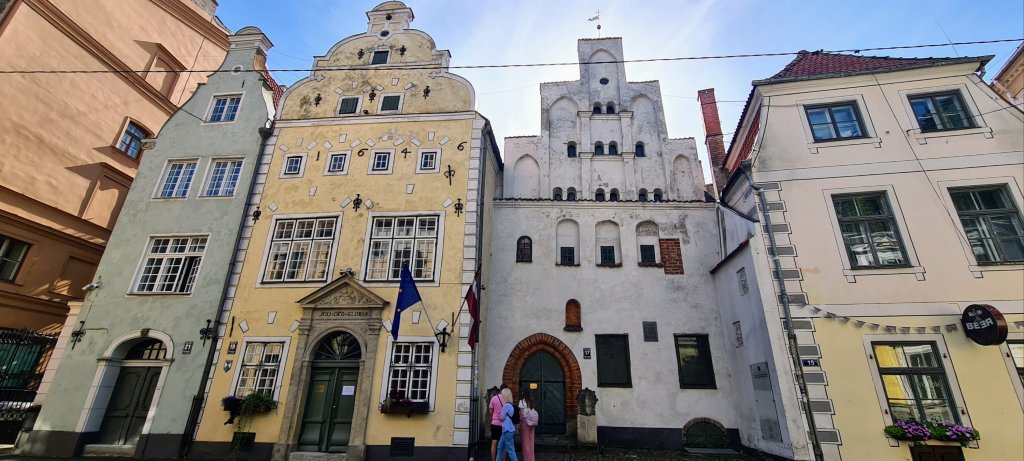
We both really liked Riga. It’s very small but we walked around feeling pleased to be there. Lunch eventually … was a fab Mediterranean soup for me and good old fish and chips for J!
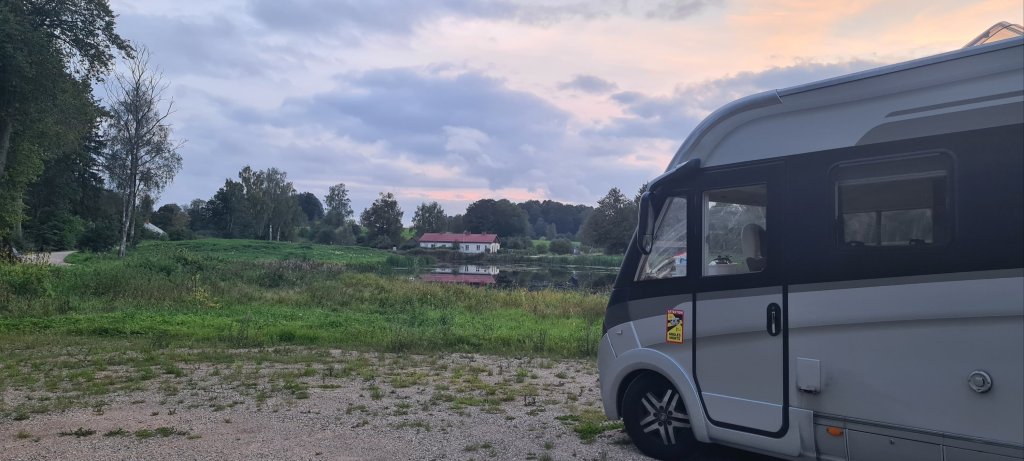
Rather than pay another €25 to stay at the city camping, we did the services and joined the stationary traffic to get across town. Let’s go away from town and around the ring road said I. Over an hour later, we finally escaped the traffic!
 Clune Gap Years