02/09/3025
We had planned to make a good start up the highway today but the forecast was cloud all day and some rain. And very cold in the mountains. Not the best when the heating only works off the leisure batteries, which then drain … fast! So we kept close to Tbilisi rather than head to the hills.
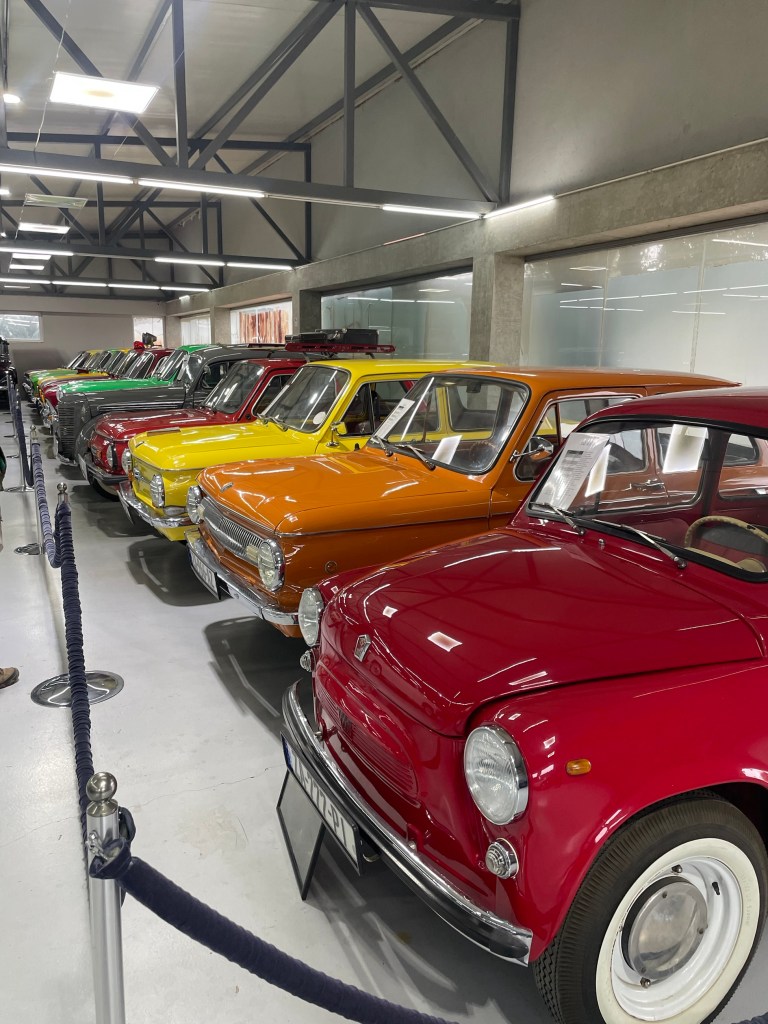
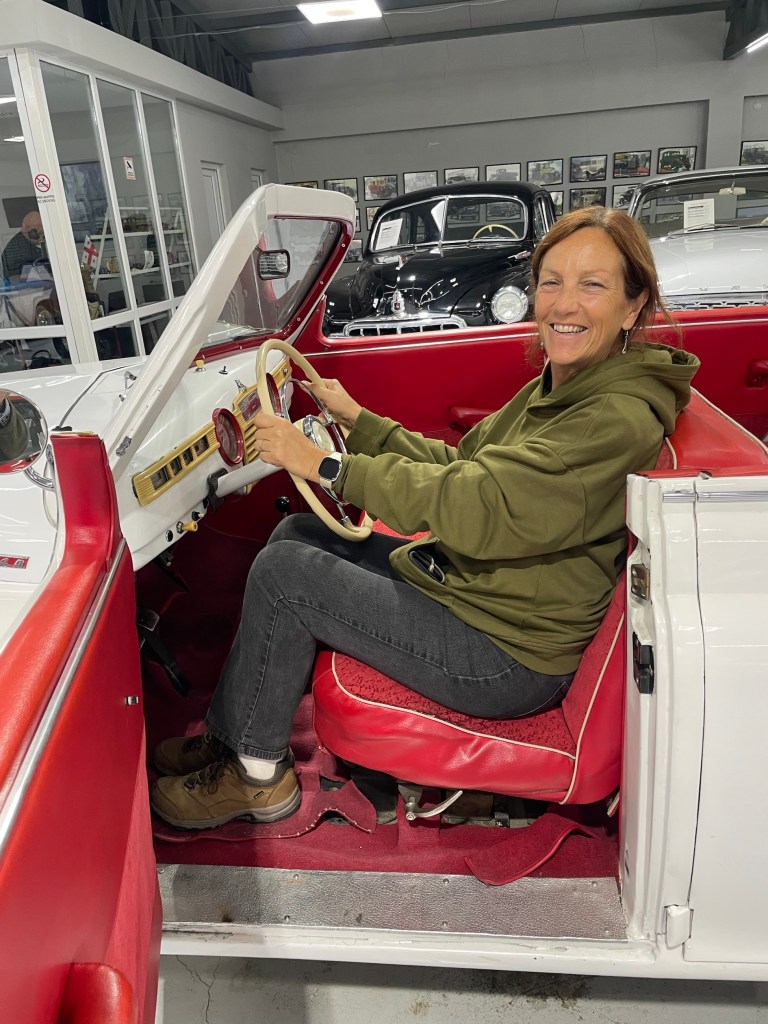
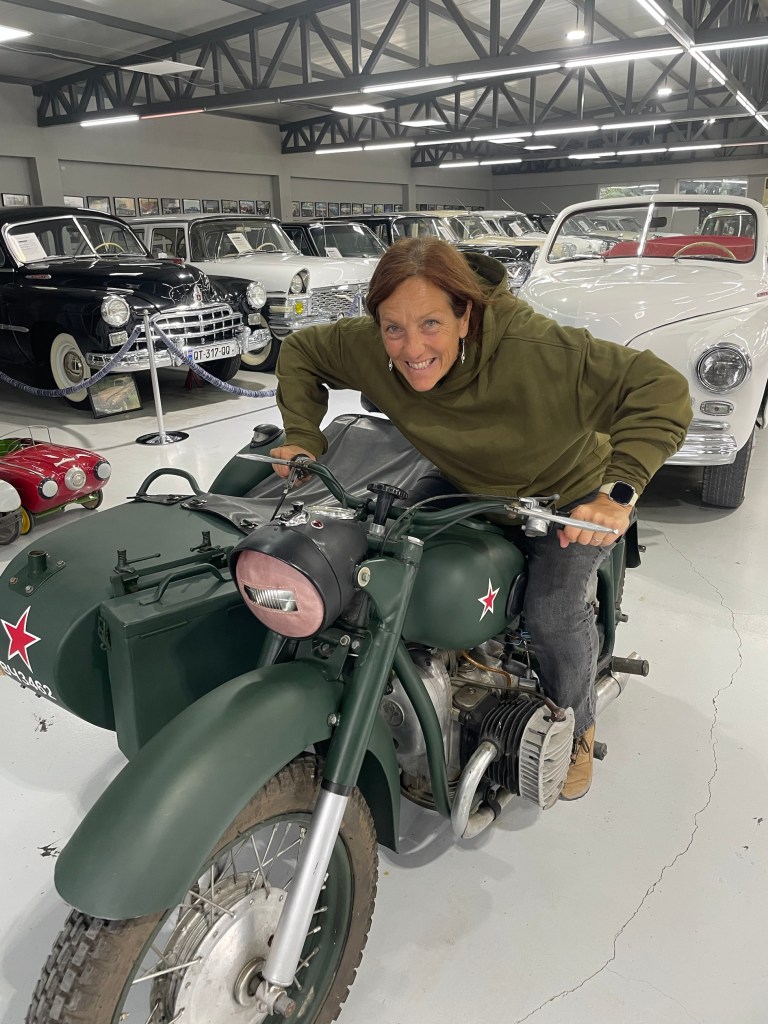
J quite fancied the Tbilisi Auto Museum, tucked away in an industrial estate. But I found it fascinating too. Google was super helpful. So was the guardian, who spotted us outside and opened up an hour early for us. And offered to fetch an English speaking guide.
Initially Ford collaborated with Russia, kit cars purchased in return for assistance in building a Russian car factory. Opel, Fiat and then Renault in the ‘60’s similarly collaborated. Renault was a significant car factory shareholder until Russia invaded the Ukraine. They had to withdraw, so sold their shares to Putin for one Ruble. With a buy back clause of 6 years. Wonder if Renault is starting to panic yet?
All the cars are one man’s collection. All the cars in the shed are in driving order with original tyres. Really quite amazing.

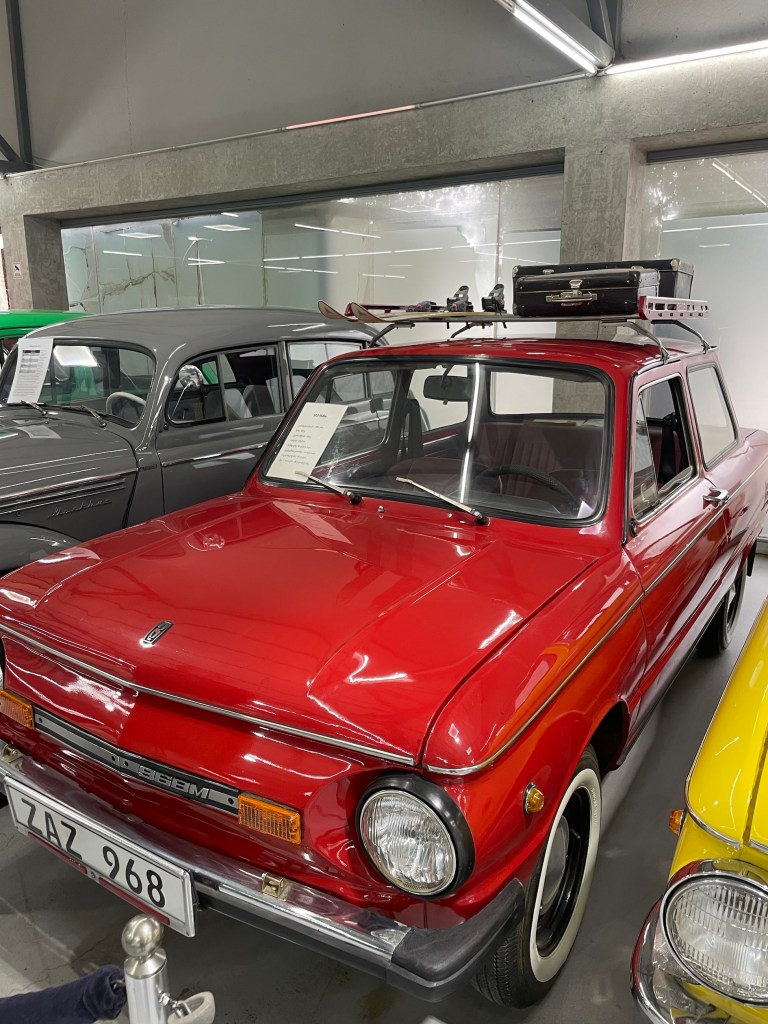
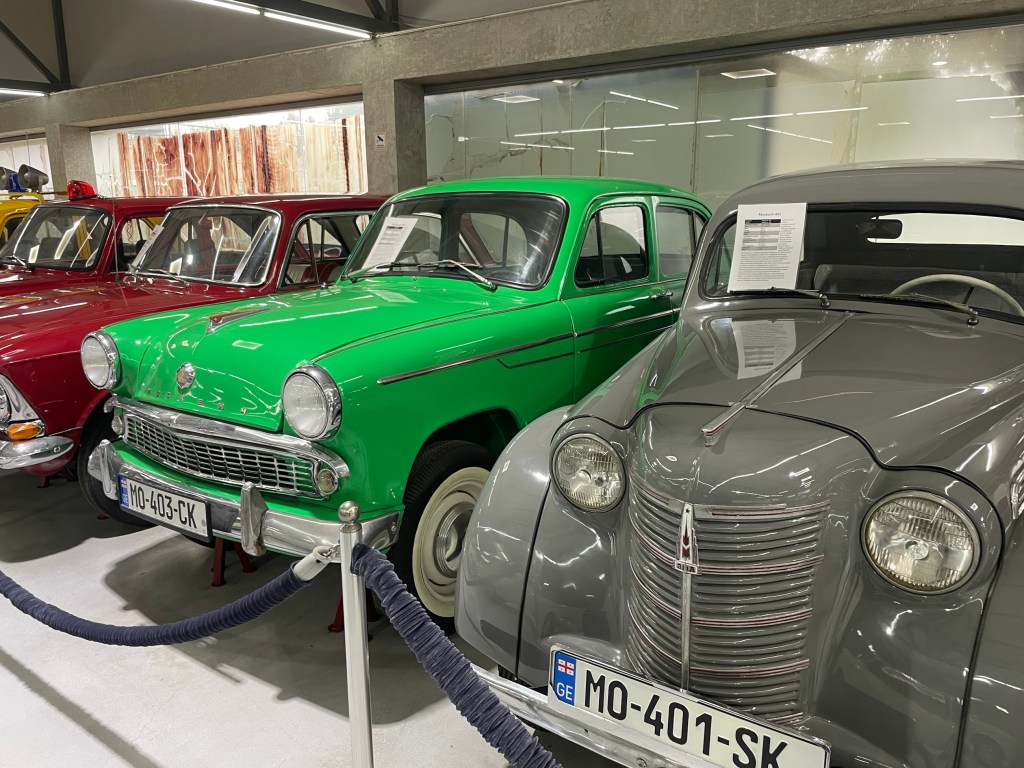

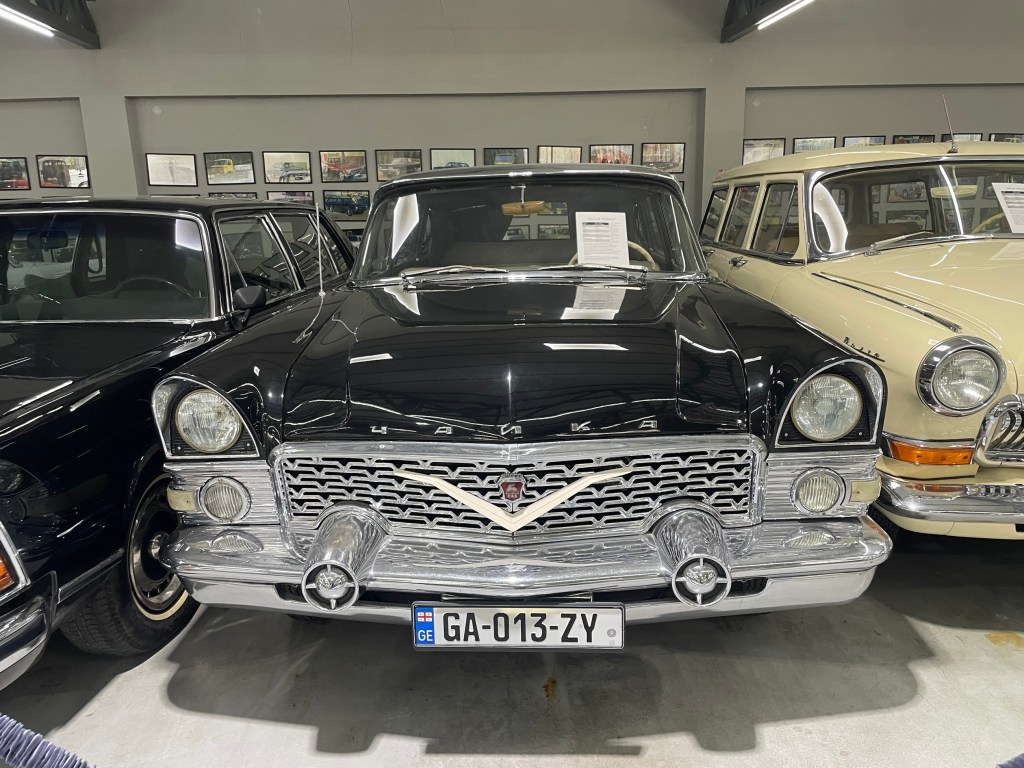


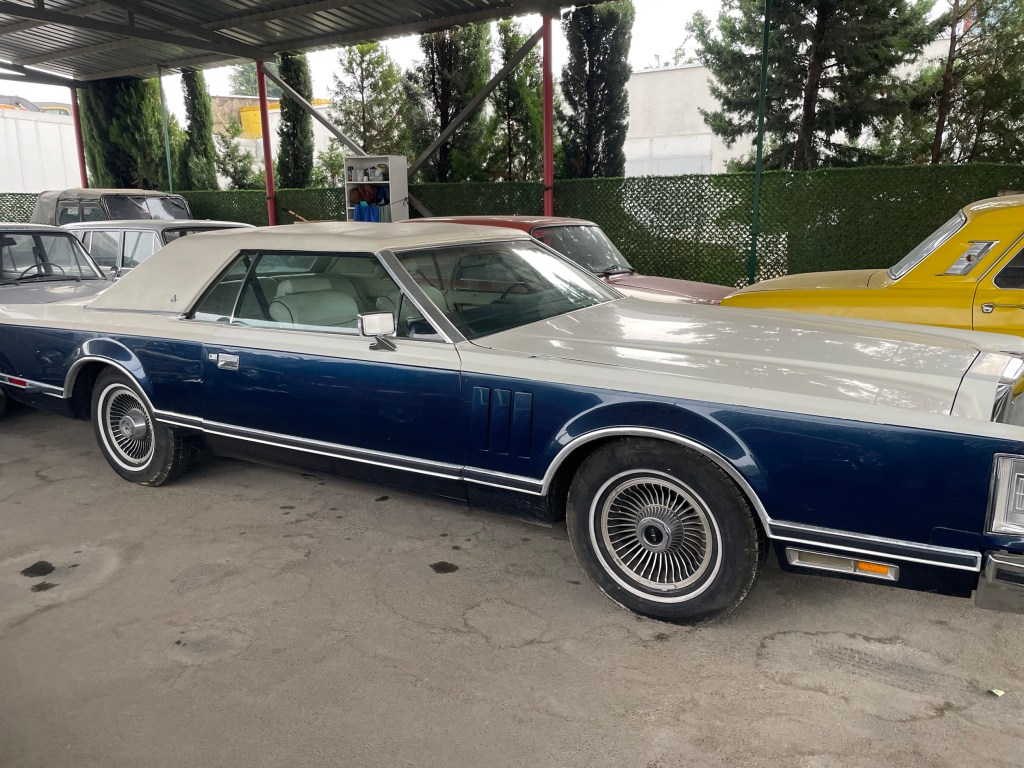
We elected to drive a badly truck rutted road the far side of Tbilisi Sea (lake) rather than go back through the centre. This took us to Mtskheta, pronounced Skayta … really?!? It was the capital of the region from the 4th to 5th centuries, scene of the royal family conversion to Christianity with several main UNESCO churches.
We really didn’t care for the Jvari Cross church, although the situation at the top of a hill was very striking. It is very old, 586-604, and was being propped up internally by columns so you couldn’t actually see a great deal. And there were tourists everywhere.
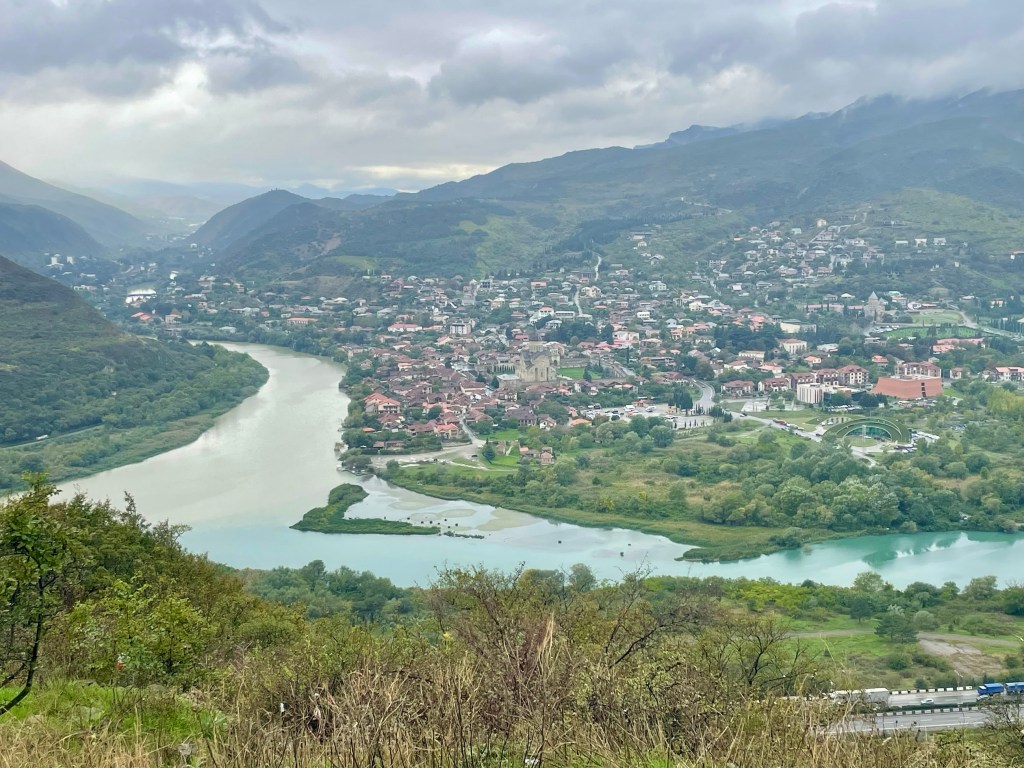
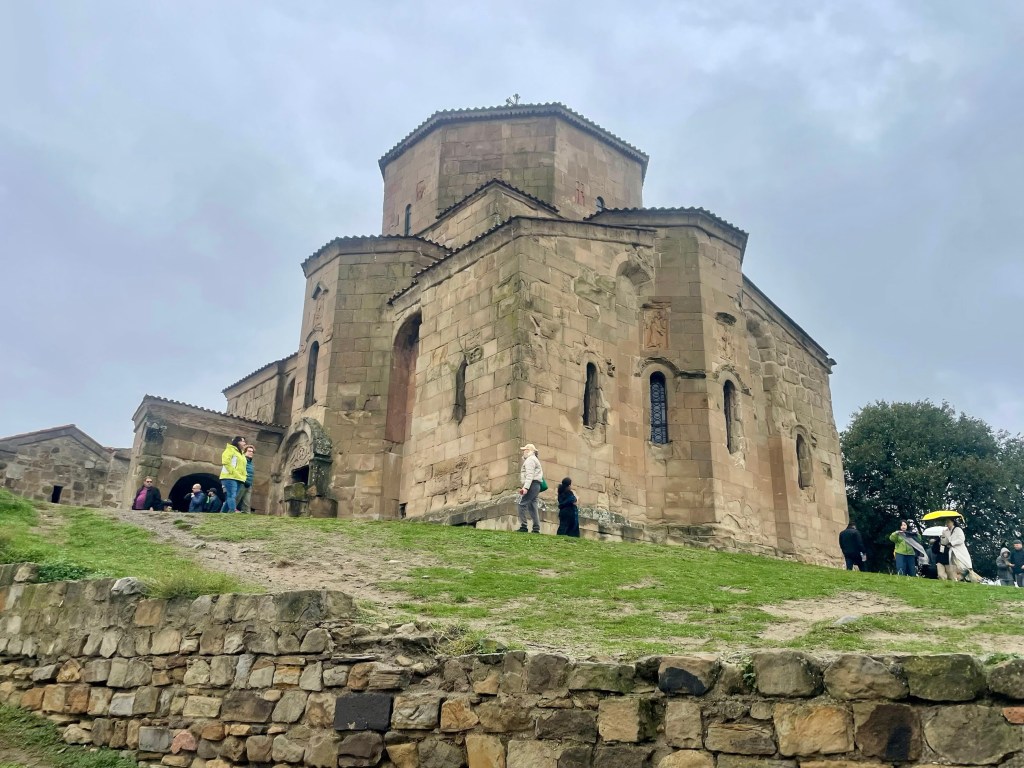
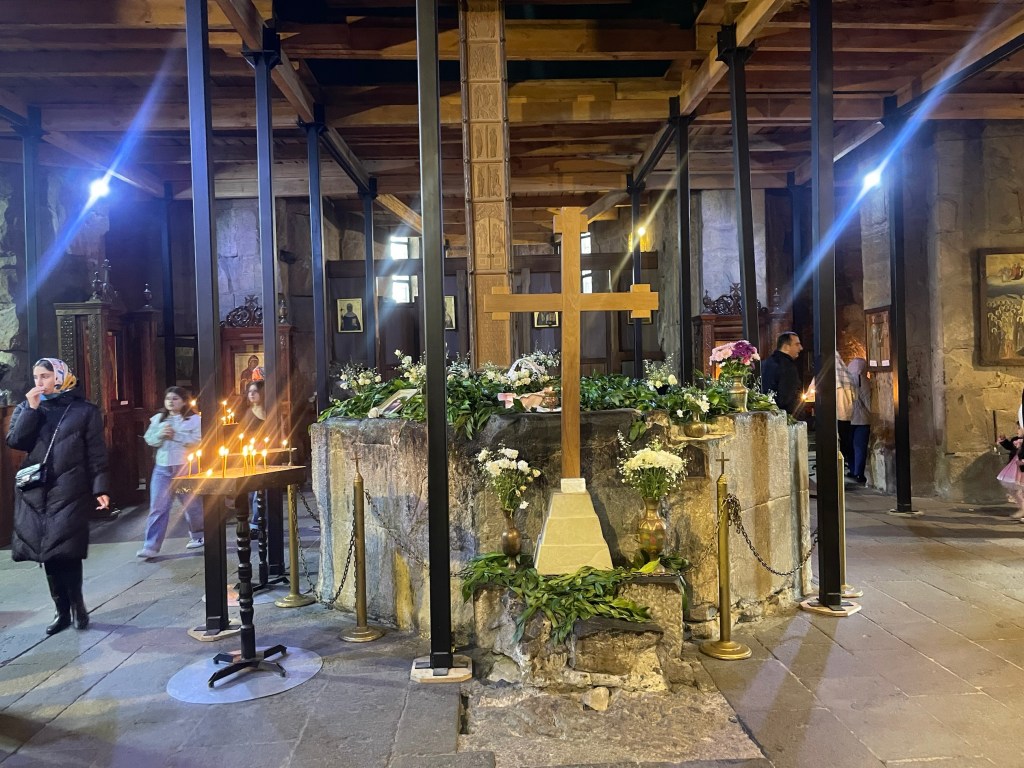

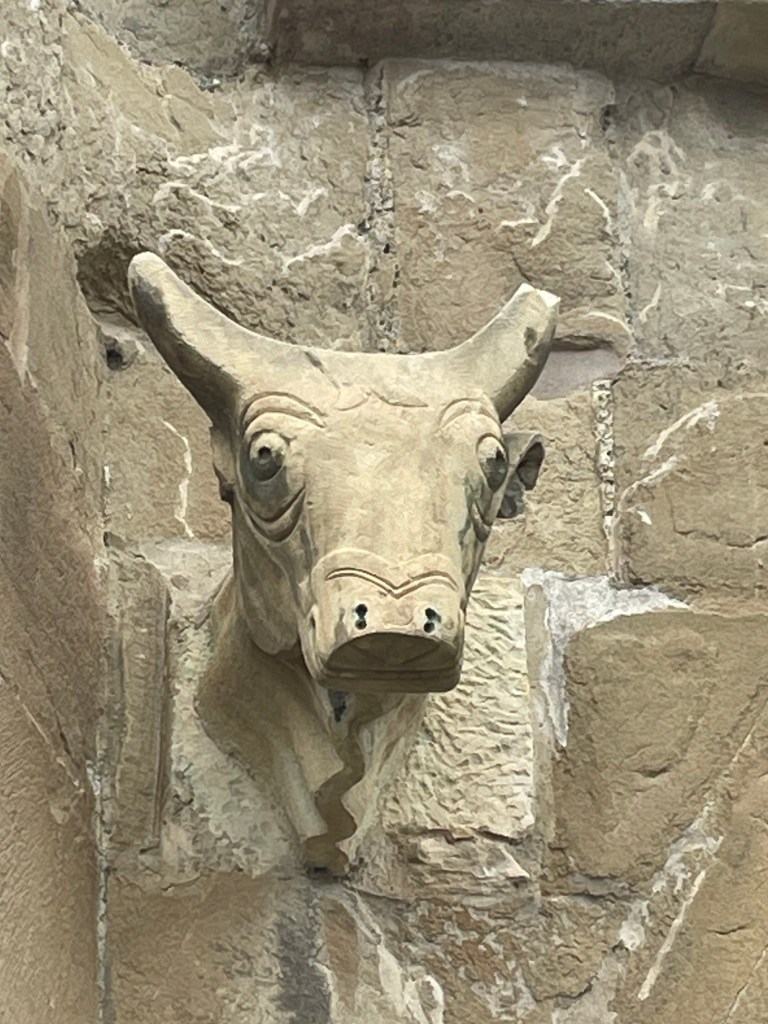
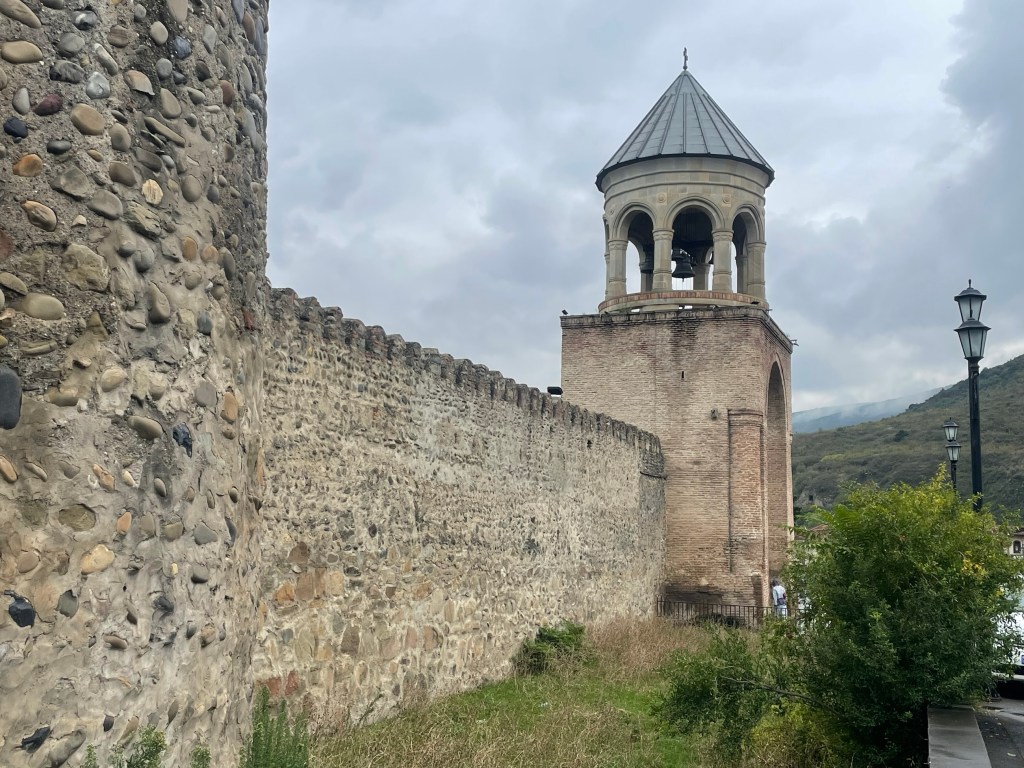
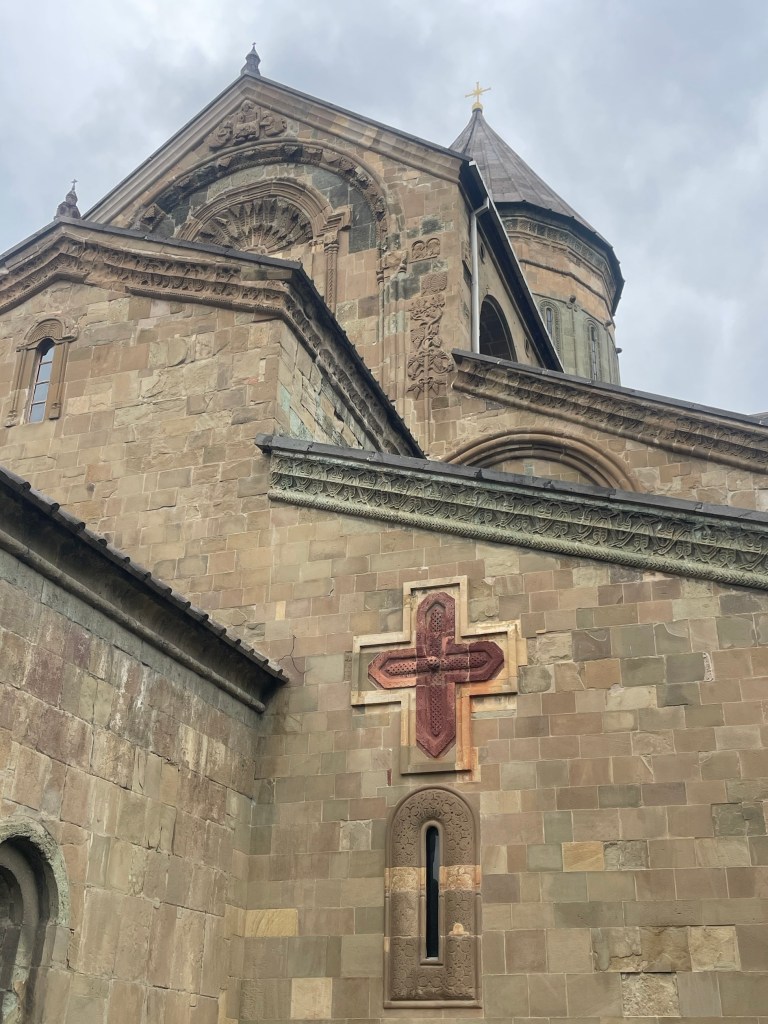
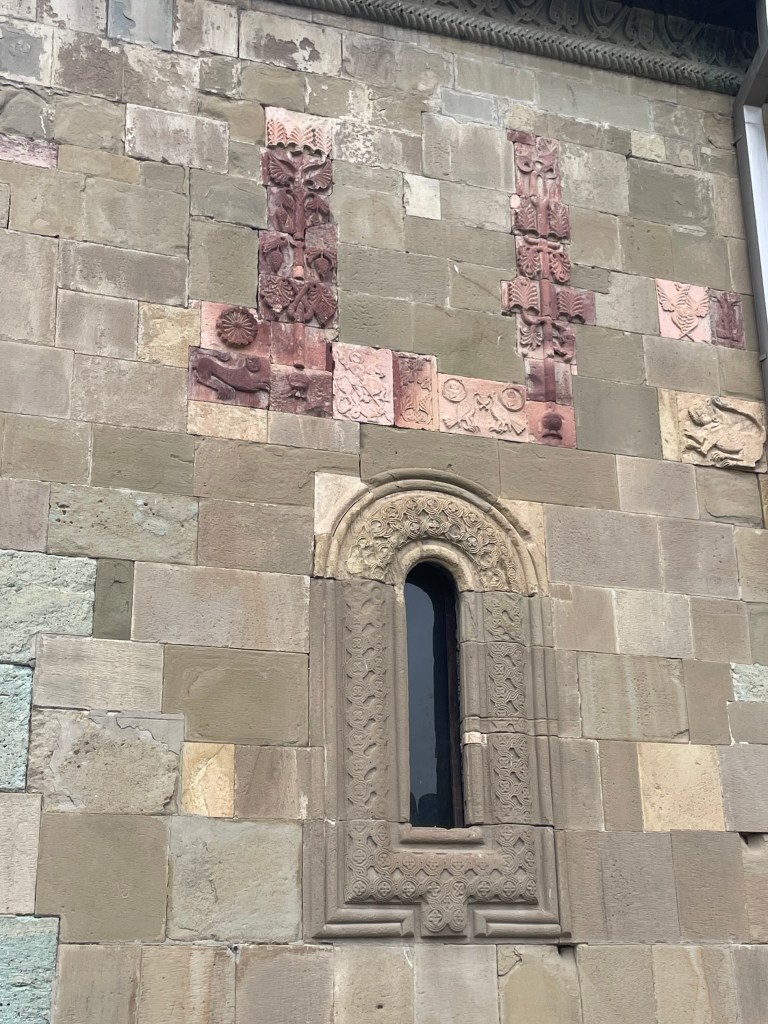
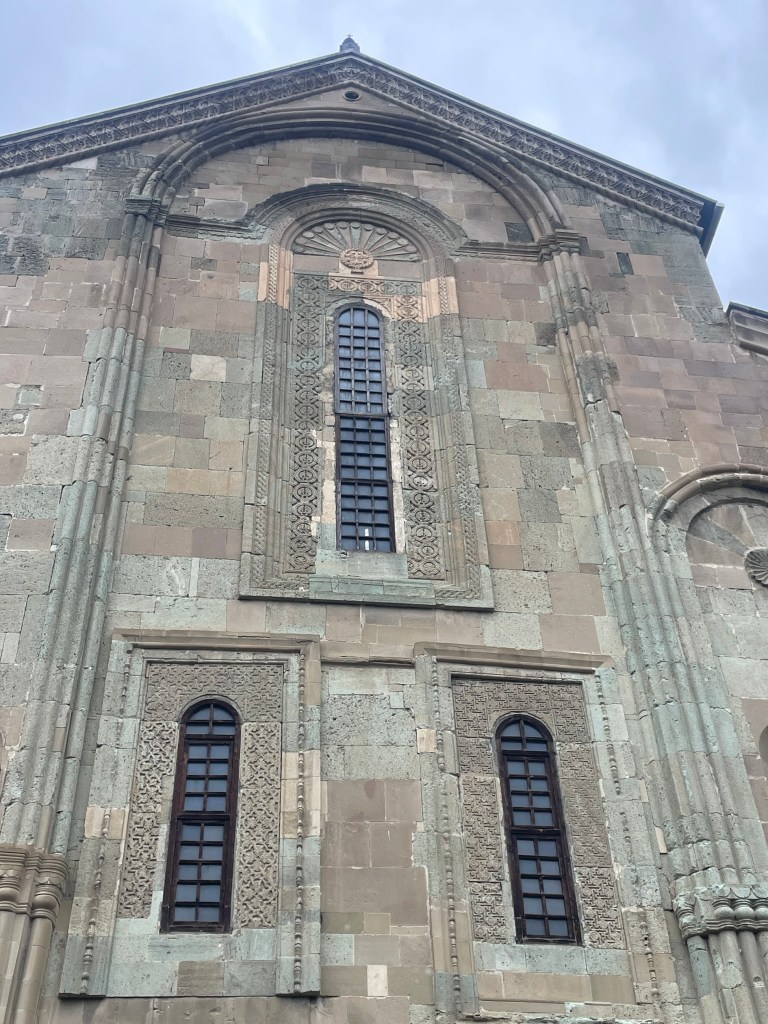
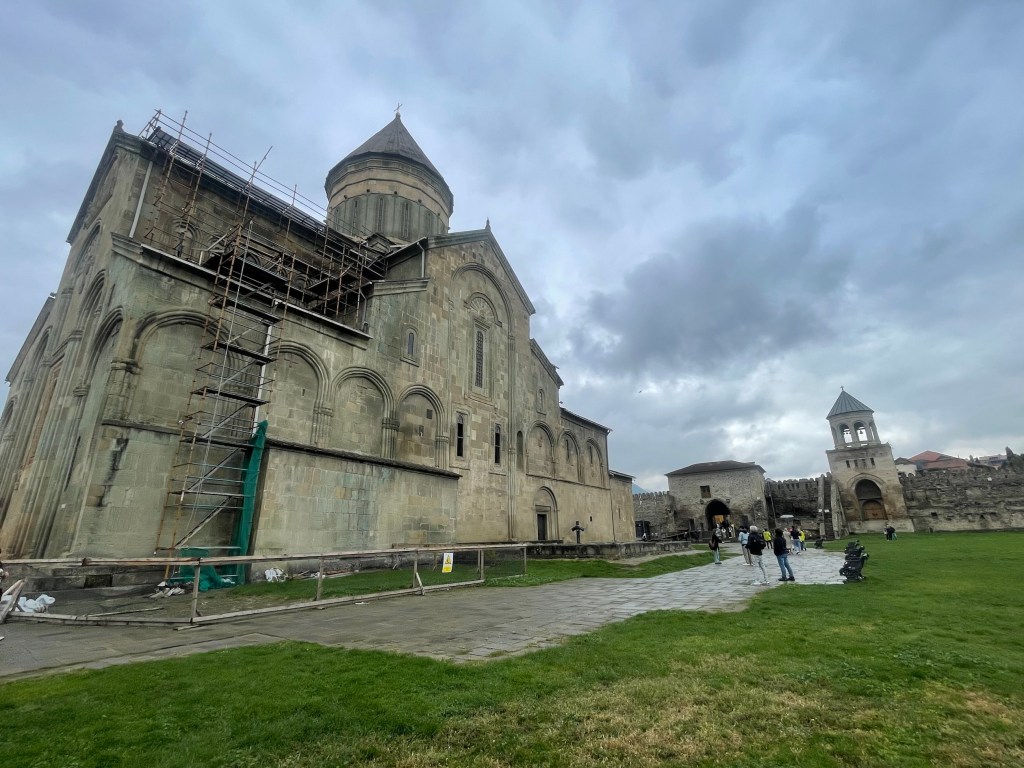
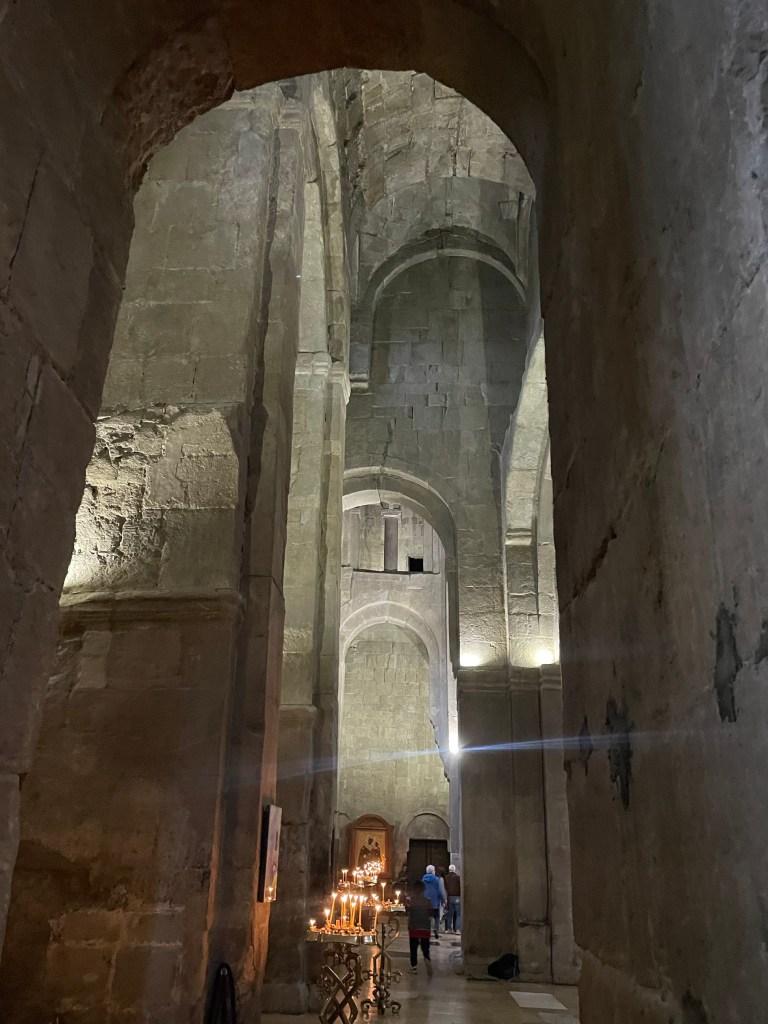
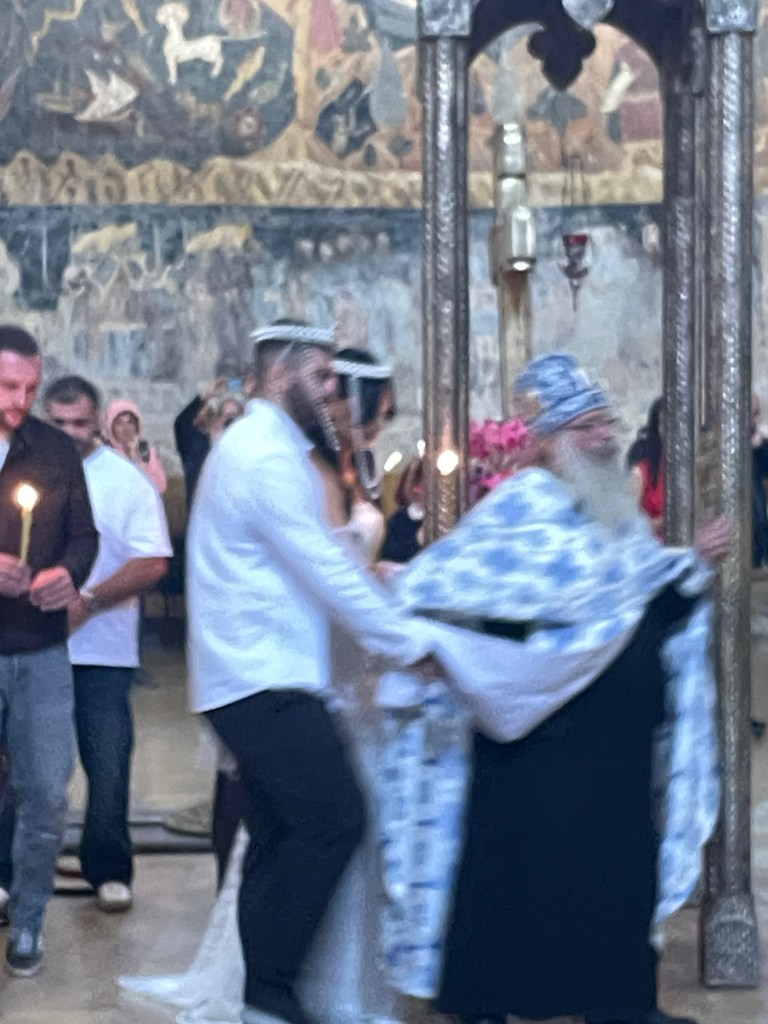
We drove down into Mtskheta and parked near the river and police station. Nice and safe so we decided to stay the night. But not before we walked to the Sveti Tshkhoveli Cathedral. This was more impressive than the Tbilisi cathedral.
The name means living pillar. The story goes that a local Jew bought Jesus’ shroud from a Roman soldier. His sister touched it and promptly died from the emotion of touching it. It could not be removed from her dead hands, so she was buried with it. An enormous cedar tree grew from her grave. It was cut down to make columns for the cathedral. One column rose up by itself and had a healing liquid that flowed from it. Couldn’t see any columns ourselves. But liked the architectural features.





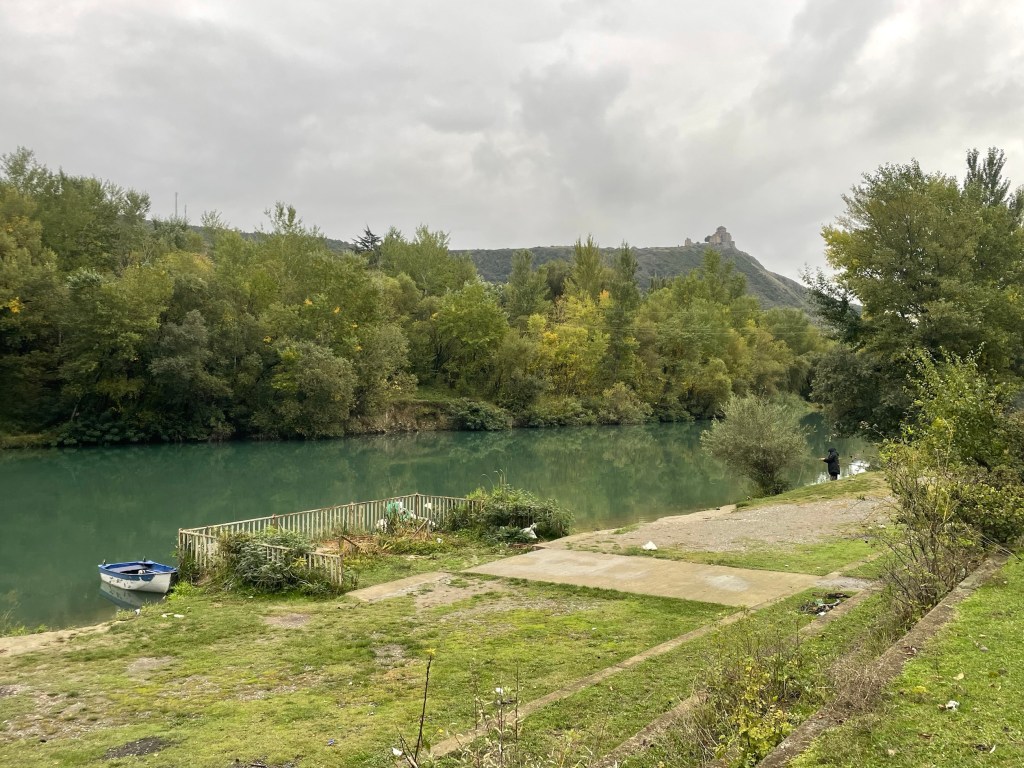
With our trusty water pistol J saw off a number of dogs when we walked back along the river.
 Clune Gap Years